Credit Card Debt vs Personal Loan Debt: Which One Is Better to Manage?
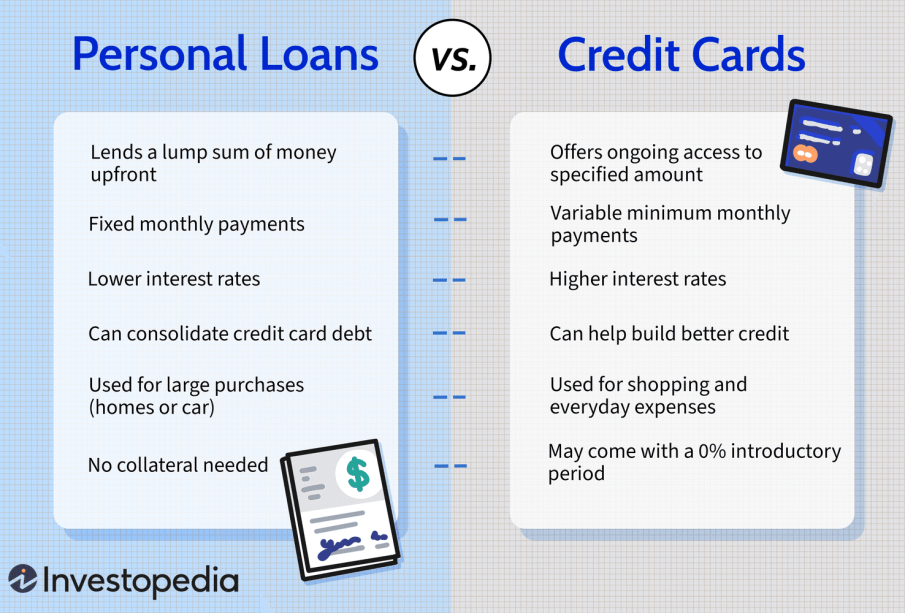
Managing debt wisely is one of the most important financial skills anyone can develop. Among the most common borrowing options today are credit card debt and personal loan debt. While both can help during financial emergencies or planned expenses, they work very differently and can affect your finances in distinct ways.
Understanding how these two types of debt compare helps you choose the smarter option for your situation—and avoid unnecessary interest costs over time.
What Is Credit Card Debt?
Credit card debt refers to the outstanding balance carried on a credit card after purchases when the full amount isn’t paid by the due date.
Credit cards offer a revolving credit limit, meaning:
- You can borrow repeatedly up to a set limit
- Interest applies only to unpaid balances
- Minimum payments are required monthly
- Interest rates are typically higher than loans
Credit cards are designed primarily for short-term borrowing, not long-term repayment.
Key Features of Credit Card Debt
- Revolving credit structure
- High interest rates (often 24%–48% annually in many markets)
- Flexible borrowing and repayment
- Minimum payment option available
- Can improve credit score if managed responsibly
However, carrying balances for long periods can make repayment expensive.
What Is Personal Loan Debt?
Personal loan debt comes from a fixed-term loan borrowed from a bank or financial institution, repaid in equal monthly installments over a defined period.
Unlike credit cards, personal loans follow a structured repayment plan with predictable costs.
Key Features of Personal Loan Debt
- Fixed repayment tenure
- Fixed or variable interest rates
- Lump-sum borrowing
- Equal monthly installments (EMIs)
- Usually lower interest rates than credit cards
Personal loans are commonly used for:
- Medical emergencies
- Education expenses
- Debt consolidation
- Weddings or travel
- Home improvements
Because repayment is structured, they are easier to plan around financially. ⚖️
Major Differences Between Credit Card Debt and Personal Loan Debt
Understanding the core differences helps determine which option suits your needs.
1. Interest Rates
Credit card debt typically carries higher interest rates compared to personal loans.
Credit cards:
- Higher interest accumulation
- Interest charged daily on unpaid balances
Personal loans:
- Lower interest rates (generally)
- Predictable repayment structure
If you expect to carry debt for several months, a personal loan often becomes more cost-effective.
2. Repayment Structure
Credit cards allow flexible repayment but may encourage long-term debt.
Credit card repayment:
- Minimum payment allowed
- Remaining balance carries interest
- No fixed timeline
Personal loan repayment:
- Fixed monthly EMI
- Clear payoff date
- Encourages discipline
This makes personal loans better suited for structured financial planning.
3. Borrowing Flexibility
Credit cards provide ongoing borrowing access.
Credit cards:
- Reusable credit limit
- Ideal for frequent small purchases
- Emergency-ready
Personal loans:
- One-time lump sum
- Cannot reuse funds after disbursement
Credit cards work better for short-term liquidity needs.
4. Impact on Credit Score
Both affect your credit score differently depending on usage behavior.
Credit cards influence:
- Credit utilization ratio
- Payment consistency
- Spending discipline
Personal loans influence:
- Payment history
- Credit mix
- Repayment reliability
Responsible repayment of either improves creditworthiness over time.
5. Approval Speed
Credit cards often provide instant access to funds, while personal loans may require processing time.
Credit cards:
- Immediate usage after approval
- Quick emergency support
Personal loans:
- Processing time required
- Documentation needed
For urgent expenses, credit cards may be more practical. 🚀
When Credit Card Debt Makes More Sense
Credit cards are suitable in situations where repayment can happen quickly.
Best scenarios include:
- Emergency purchases
- Short-term borrowing
- Online shopping convenience
- Cashback or reward usage
- Expense tracking needs
If you repay the full balance before interest applies, credit cards become extremely cost-effective.
When Personal Loan Debt Is the Better Option
Personal loans are ideal for larger expenses requiring structured repayment.
They are especially useful for:
- Debt consolidation
- Medical expenses
- Education costs
- Wedding planning
- Home renovation projects
Because interest rates are lower and repayment timelines are fixed, personal loans reduce long-term financial stress.
Advantages of Credit Card Debt
Credit cards offer flexibility that traditional loans cannot match.
Key benefits include:
- Instant purchasing power
- Reward points and cashback
- Interest-free grace period
- Emergency accessibility
- Improvised credit score tracking
When used responsibly, credit cards become powerful financial tools.
Advantages of Personal Loan Debt
Personal loans provide predictability and stability.
Major advantages include:
- Lower interest rates compared to credit cards
- Fixed repayment timeline
- Easier budgeting
- Suitable for large expenses
- Helpful for consolidating high-interest debts
They are particularly useful for disciplined repayment strategies.
Risks Associated With Credit Card Debt
Credit cards can become financially risky if misused.
Common challenges include:
- High interest accumulation
- Overspending temptation
- Minimum payment traps
- Long-term repayment cycles
- Negative credit score impact if delayed
Without proper management, credit card balances can grow quickly. ⚠️
Risks Associated With Personal Loan Debt
Personal loans are structured but still involve commitments.
Potential risks include:
- Fixed monthly obligation regardless of income changes
- Processing fees
- Prepayment penalties (in some cases)
- Longer approval timelines
- Risk of default affecting credit history
Choosing the right loan tenure helps minimize repayment pressure.
Which Option Is Better for Debt Consolidation?
Personal loans are generally the smarter option for consolidation.
They help:
- Replace multiple high-interest credit card balances
- Reduce overall interest burden
- Simplify repayment tracking
- Improve financial organization
Many borrowers use personal loans specifically to eliminate expensive revolving debt.
Smart Tips to Manage Either Type of Debt Effectively
Regardless of the borrowing type, smart strategies make a major difference.
Helpful practices include:
- Paying more than the minimum due
- Avoiding unnecessary purchases
- Tracking monthly expenses
- Choosing shorter repayment tenure when possible
- Maintaining emergency savings
Financial discipline always matters more than the borrowing method itself. 💡
Final Thoughts
Both credit card debt and personal loan debt serve useful purposes—but they are designed for different financial needs.
Credit cards are best for short-term flexibility, while personal loans are better suited for planned, structured repayment of larger expenses.
Choosing wisely depends on your repayment capacity, urgency of funds, and long-term financial goals.
Frequently Asked Questions (FAQs)
1. Is credit card debt always more expensive than a personal loan?
Generally yes. Credit card interest rates are typically higher, especially if balances remain unpaid beyond the grace period.
2. Can I convert credit card debt into a personal loan?
Yes. Many lenders offer balance transfer or debt consolidation personal loans that help reduce interest costs and simplify repayment.
3. Does paying only the minimum credit card amount hurt my finances?
Yes. Minimum payments extend repayment duration and significantly increase total interest paid over time.
4. Which option is easier to qualify for: credit cards or personal loans?
Credit cards are usually easier and faster to obtain, especially for applicants with limited credit history.
5. Can personal loans improve my credit score?
Yes. Consistent EMI payments improve repayment history and strengthen overall credit profile.
6. Is it better to close a credit card after taking a personal loan to repay it?
Not always. Keeping the card active with low utilization can help maintain a healthier credit score.
7. Should I take a personal loan to pay off multiple credit cards?
Often yes. It simplifies repayments and may reduce total interest burden if the loan rate is lower than credit card rates.