
Pelvic Floor Coordination in Men, Beyond “Engage Mula Bandha”
Many men practise yoga for strength, focus, and resilience, yet few realise how much the pelvic floor influences these outcomes. For male practitioners, this area is often misunderstood. While traditional cues like “engage Mula Bandha” are powerful, over-activation can create tension, fatigue, and even discomfort in the lower back or hips. True mastery lies not in constant contraction but in learning to coordinate breath, pressure, and awareness. Through the structured rhythm of ashtanga yoga, men can refine this balance, improving posture, endurance, and core stability from the inside out.
Understanding the male pelvic floor
The pelvic floor is a sling of muscles that supports the bladder, bowel, and sexual organs. In men, it connects directly with the diaphragm through fascial chains and breath pressure. When these muscles are weak or uncoordinated, issues such as urinary leakage, premature fatigue, or pelvic discomfort may occur. Conversely, excessive gripping—especially from overusing Mula Bandha—can lead to tightness that restricts circulation and impairs mobility.
A functional pelvic floor alternates between activation and relaxation. It contracts with exertion and releases with rest, mirroring how breath moves through the body. The key is rhythm, not rigidity.
Why many men over-grip instead of coordinate
Cultural conditioning often teaches men to hold tension as a symbol of strength. This mindset shows up in yoga practice as over-tightening the abdomen or squeezing the pelvic muscles continuously. Instead of enhancing control, this habit blocks efficient breathing, stiffens the hips, and adds unnecessary pressure to the lower spine.
Coordination requires trust in relaxation. The pelvic floor must learn to yield before it can contract effectively. Breathwork, timing, and conscious awareness are the gateways to this skill.
Linking breath and pelvic function
Every breath subtly moves the pelvic floor. During inhalation, the diaphragm descends, and intra-abdominal pressure increases, causing the pelvic floor to lengthen and lower slightly. During exhalation, the diaphragm rises, and the pelvic floor gently contracts to assist exhalation.
When breath and pelvic motion align, posture stabilises naturally, and core strength becomes effortless rather than forced.
Key principles
• Inhale through the nose, letting the belly and perineum expand slightly.
• Exhale gently through the nose, feeling the perineum lift without clenching.
• Keep the rhythm steady; avoid breath-holding or forceful exhalations.
• Practise awareness, not maximal contraction. The goal is smooth coordination.
How Ashtanga sequences train pelvic control
Ashtanga’s vinyasa format provides the ideal rhythm for pelvic retraining. The structured inhale-exhale pairing mirrors the natural expansion and contraction of the pelvic floor. When used intentionally, this pattern enhances strength without stiffness.
1. Surya Namaskar (Sun Salutations)
Use slow, deliberate movement to observe how breath drives pelvic motion. Inhale during upward transitions, exhale during folds or lowering. Keep awareness in the lower abdomen and perineum.
2. Standing poses (Warrior, Triangle, Extended Side Angle)
These build endurance through sustained intra-abdominal pressure. Focus on grounding through the feet, softening the inner thighs, and keeping breath continuous. Avoid gripping the pelvic floor during balance holds.
3. Seated postures (Marichyasana, Paschimottanasana)
These emphasise pelvic release. Lengthen the spine on inhalation and engage gently on exhalation. Do not force the lift of Mula Bandha; let it arise naturally with the breath.
4. Core transitions (Jump-backs and jump-throughs)
Use exhalation to stabilise the centre. Engage lightly, not maximally, and maintain soft awareness of the pelvic base. Over-gripping can reduce agility and increase fatigue.
5. Finishing sequence (Bridge, Lotus, Seated Meditation)
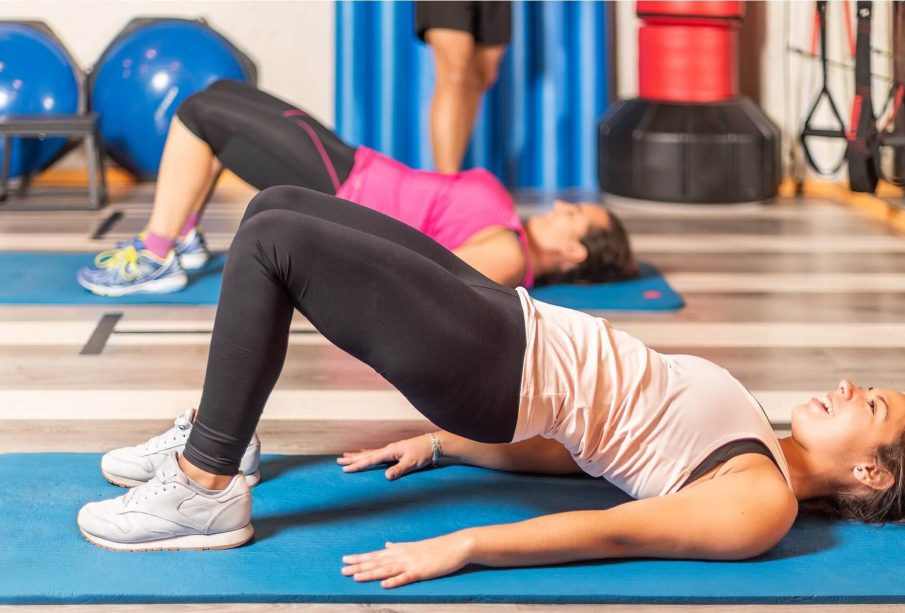
Bridge pose strengthens the posterior chain while encouraging pelvic coordination. During meditation, observe how relaxation feels at the base of the pelvis. The body should feel supported yet free.
The science behind pelvic rhythm and stability
Studies in biomechanics show that pelvic floor function directly influences lumbar stability. When it contracts harmoniously with the diaphragm and abdominal wall, pressure within the core cylinder distributes evenly. This integrated system prevents lower back strain and enhances power transfer during movement.
Inconsistent or excessive tension, however, disrupts this mechanism. The body compensates by tightening hip flexors and lower abdominals, leading to discomfort or stiffness. Balanced coordination restores efficiency and relieves chronic tension patterns.
Recognising signs of imbalance
Men often miss early indicators of pelvic floor imbalance. Watch for these subtle cues:
• Persistent tightness in groin or lower abdomen after practice.
• Difficulty maintaining steady breath during seated postures.
• Reduced energy or discomfort after strong bandha engagement.
• Low back ache that appears during standing sequences.
• Urgency or frequency changes in bladder habits.
These signs do not necessarily indicate injury but suggest that retraining coordination may be beneficial.
The art of releasing, not just engaging
One of the biggest misconceptions is that engagement equals control. True control includes knowing when and how to relax. A healthy pelvic floor alternates tension and release like a heartbeat. Incorporating intentional softening after each strong effort keeps tissues elastic and responsive.
Practical release steps:
• Spend 2–3 minutes after practice lying supine with knees bent.
• Inhale deeply, allowing the belly and perineum to rise.
• Exhale with a long sigh, letting the pelvic base soften.
• Repeat with awareness until the breath feels effortless.
This phase restores the nervous system and prevents chronic contraction.
Building endurance and sexual health benefits
Balanced pelvic coordination not only improves stability but also enhances sexual health. Better control of pelvic muscles supports circulation, erectile function, and stamina. The relaxed baseline allows efficient blood flow, while rhythmic engagement refines awareness and control. The benefits are physical, emotional, and energetic.
In yogic philosophy, the base of the body houses grounding energy. By refining awareness here, practitioners develop calm strength and mental clarity. Regular practice integrates vitality with composure, a combination that extends beyond the mat.
Integrating bandhas with intelligence
Mula Bandha, or root lock, is central to Ashtanga. For men with pelvic tension, the key is scaling intensity rather than eliminating the technique.
• Begin with subtle lifts that match exhalation.
• Avoid continuous contraction during the entire sequence.
• Pair bandha with slow breathing rather than holding the breath.
• If discomfort or heaviness appears, pause and focus on relaxation.
This intelligent application makes Mula Bandha sustainable and beneficial rather than draining.
Training outside the mat
Certain off-mat habits reinforce pelvic harmony.
• Sit with neutral spine, not slumped or overly upright.
• Take short walks between long sitting periods to prevent pelvic congestion.
• Strengthen glutes and lower abdominals through functional movement.
• Use diaphragmatic breathing during daily stress moments.
• Stay hydrated to keep fascia and connective tissues supple.
Small daily actions compound to create balanced tone and lasting function.
When to seek professional guidance
If you experience persistent pain, urinary changes, or discomfort that interferes with daily life, consult a qualified physiotherapist or healthcare provider specialising in men’s pelvic health. Yoga can complement professional care but should not replace medical evaluation when symptoms are significant. A supportive environment such as Yoga Edition also offers structured instruction that encourages safe, progressive exploration.
Real-world application examples
• Office professional, experienced chronic hip tightness from long sitting. After learning breath–pelvic coordination, back stiffness eased within weeks.
• Endurance athlete used to over-grip during transitions. Focused on controlled exhalations and dynamic relaxation, improving both stamina and postural endurance.
• Middle-aged practitioner with mild urinary leakage improved control and confidence after three months of breath-focused Ashtanga practice combined with light conditioning.
Frequently asked questions
Do men need to train the pelvic floor like women do
Yes. Both benefit from learning awareness and control. Men often ignore pelvic function until problems arise, but proactive coordination enhances stability and health.
Can overuse of Mula Bandha cause tension or pain
Yes. Excessive contraction without release can cause fatigue, groin tension, or reduced circulation. Use a moderate lift coordinated with breathing instead of constant gripping.
Is it normal to feel sore after pelvic awareness practice
Mild fatigue is fine, but pain or deep ache suggests over-activation. Rest, hydrate, and focus on relaxation before returning to practice.
Can breath training alone improve pelvic control
Yes. Breath and pelvic motion are inseparable. Consistent diaphragmatic breathing often restores natural rhythm even before muscular training begins.
How can I tell if I am engaging too strongly
If your breath becomes shallow, or if you feel pressure in your lower back or abdomen, you are gripping too tightly. Reduce intensity and refocus on even inhalations and exhalations.
Will pelvic coordination affect sexual performance
Yes, positively. Controlled yet relaxed pelvic muscles support better blood flow, endurance, and awareness. It enhances rather than suppresses function.
Can sitting for long hours undo my progress
Extended sitting can tighten the pelvic area. Stand or move every hour, perform gentle hip circles, or practise 2–3 minutes of mindful breathing to offset stiffness.
Is it safe to practise daily
Yes, as long as effort alternates with recovery. Include one lighter or restorative day each week to prevent fatigue.
Can strength training help
Compound exercises like squats and deadlifts, when done with correct breathing, reinforce pelvic coordination. Avoid breath-holding or excessive abdominal bracing.
How long before I notice changes
Most practitioners sense better breath–body connection and reduced lower back pressure within four to six weeks of steady Ashtanga practice.
Through consistent awareness, men can transform their understanding of strength. The pelvic floor becomes not a hidden tension zone but a foundation of integrated stability and vitality. True control begins with coordination, where breath, awareness, and movement flow together.


