
Emerging Technologies That Will Shape the Future
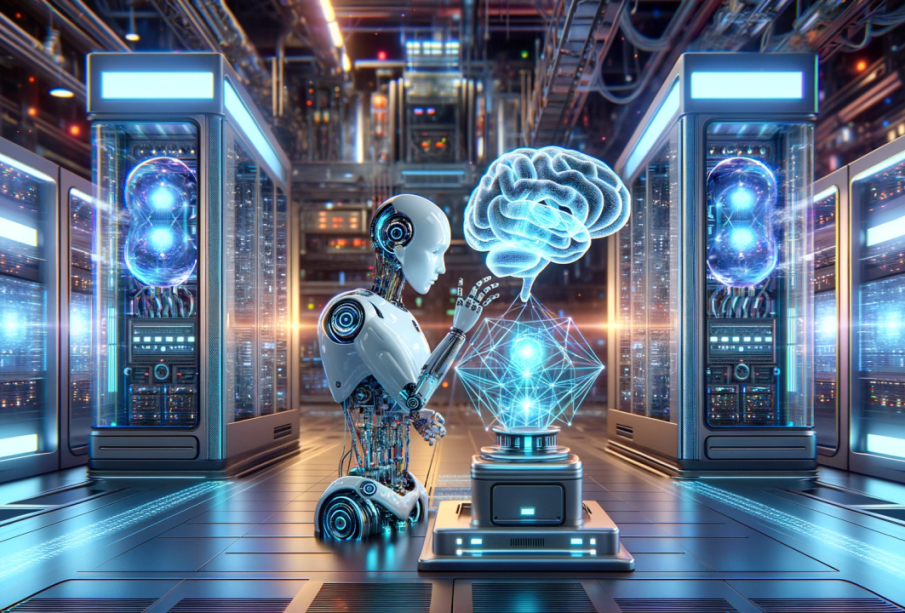
Technology is advancing at a pace that is reshaping industries, economies, and daily life across the globe. From intelligent automation to connected environments, emerging innovations are redefining how people work, communicate, and solve complex challenges. These developments are not distant possibilities—they are already influencing how societies evolve.
Understanding the technologies shaping the future helps individuals and organizations prepare for change, adapt strategically, and participate in building smarter systems.
Artificial Intelligence and Intelligent Automation
Artificial Intelligence (AI) continues to transform how decisions are made and processes are executed across industries. Instead of simply following instructions, modern systems analyze data patterns and improve performance over time.
Key areas where AI is creating impact include:
- Healthcare diagnostics and predictive treatment planning
- Financial risk detection and fraud prevention
- Personalized education platforms
- Smart manufacturing automation
- Natural language communication systems
As AI capabilities mature, it is becoming a collaborative partner in solving complex problems rather than just a supporting tool.
Quantum Computing
Quantum computing represents a major shift in how computational challenges can be approached. Unlike traditional computers that process bits individually, quantum systems evaluate multiple possibilities simultaneously.
This capability opens opportunities for:
- Accelerating drug discovery research
- Optimizing transportation and logistics networks
- Strengthening cybersecurity frameworks
- Improving climate modeling accuracy
Although still developing, quantum computing has the potential to solve problems currently considered impractical for classical machines.
The Expansion of the Internet of Things (IoT)
The Internet of Things connects everyday devices to intelligent networks, enabling environments to respond dynamically to real-time information.
Examples of IoT-driven transformation include:
- Smart homes with automated energy efficiency
- Connected healthcare monitoring devices
- Intelligent agriculture systems improving crop yields
- Smart traffic management in urban areas
As connectivity increases, digital ecosystems become more responsive and efficient.
5G and Next-Generation Connectivity
High-speed communication networks are essential for supporting modern technologies. Fifth-generation connectivity enables faster data exchange and more reliable digital infrastructure.
With advanced connectivity, industries benefit from:
- Real-time remote operations
- Enhanced virtual collaboration
- Autonomous vehicle coordination
- Smart city infrastructure integration
These improvements strengthen both economic activity and daily digital experiences.
Extended Reality (XR): AR, VR, and Mixed Reality
Extended Reality technologies are transforming how people interact with digital environments. By blending physical and virtual spaces, immersive experiences are becoming practical tools rather than experimental concepts.
Applications already influencing industries include:
- Virtual training environments
- Remote collaboration spaces
- Interactive education systems
- Real estate visualization platforms
Immersive technology helps users engage with information more naturally and effectively.
Blockchain Beyond Cryptocurrency
Blockchain technology is widely known for supporting digital currencies, but its future impact extends far beyond financial transactions.
Emerging blockchain uses include:
- Secure digital identity verification
- Transparent supply chain tracking
- Decentralized healthcare record management
- Intellectual property protection systems
Its strength lies in creating trust through transparency and data integrity.
Biotechnology and Genetic Engineering
Advancements in biotechnology are changing healthcare, agriculture, and environmental science. Researchers are developing targeted solutions that address challenges at the molecular level.
Innovations in this field support:
- Personalized medicine treatments
- Disease-resistant crops
- Sustainable bio-based materials
- Advanced vaccine development techniques
Biotechnology is helping humanity respond more effectively to global health and sustainability challenges. 🧬
Autonomous Transportation Systems
Self-operating vehicles are moving from experimentation toward real-world implementation. Autonomous transportation systems rely on sensors, connectivity, and intelligent algorithms to navigate safely.
Potential benefits include:
- Reduced road accidents
- Improved logistics efficiency
- Lower transportation costs
- Increased accessibility for elderly and disabled individuals
These systems may reshape urban mobility and supply chain operations in the coming decades.
Renewable Energy and Smart Power Systems
Sustainable energy technologies are becoming essential as global demand increases. Renewable solutions combined with intelligent power management systems are transforming energy distribution.
Important developments include:
- Advanced solar panel efficiency improvements
- Wind energy optimization technologies
- Smart grids balancing supply and demand
- Energy storage innovations supporting reliability
These advancements support both environmental protection and long-term economic stability.
Human–Machine Collaboration Technologies
Future workplaces will increasingly depend on collaboration between humans and intelligent machines rather than replacement-driven automation.
Collaborative technologies are enabling:
- Robotic assistance in manufacturing
- AI-supported decision-making platforms
- Intelligent workplace productivity systems
- Adaptive learning environments
This partnership allows people to focus on creativity and strategic thinking while machines handle repetitive tasks. 🤖
Conclusion
Emerging technologies are shaping a future defined by connectivity, intelligence, and adaptability. From quantum computing to renewable energy systems, these innovations are transforming how societies function and grow.
Organizations and individuals who understand these changes early will be better positioned to participate in building smarter infrastructure, improving sustainability, and creating meaningful technological progress for generations ahead. 🚀
Frequently Asked Questions (FAQs)
1. Why is it important to understand emerging technologies early?
Early awareness helps individuals and businesses prepare for industry changes, develop relevant skills, and adapt strategies before disruptions occur.
2. Which emerging technology is expected to influence employment the most?
Automation powered by artificial intelligence is likely to reshape job roles significantly while also creating new opportunities in technical and creative fields.
3. How do emerging technologies support environmental sustainability?
Innovations such as smart grids, renewable energy systems, and precision agriculture reduce waste, improve efficiency, and lower environmental impact.
4. Are emerging technologies accessible to small businesses?
Yes. Many cloud-based platforms and digital tools allow smaller organizations to adopt advanced technologies without large infrastructure investments.
5. What role does education play in preparing for future technologies?
Education helps individuals develop adaptable skills like problem-solving, digital literacy, and interdisciplinary thinking that support long-term success.
6. Can emerging technologies improve global healthcare access?
Yes. Telemedicine platforms, AI diagnostics, and portable monitoring devices are helping extend healthcare services to underserved regions.
7. How can individuals stay updated with fast-changing technologies?
Following research publications, technology news platforms, professional communities, and online learning programs helps maintain awareness of ongoing developments.


