
Benefits of Occupational Therapy for Daily Life
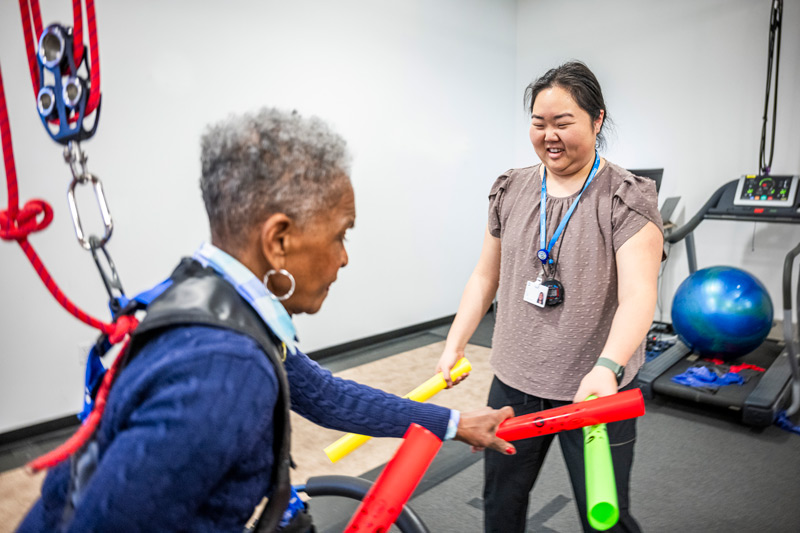
Occupational therapy helps people of all ages develop, recover, or maintain the skills needed for everyday living. Whether someone is recovering from injury, managing a disability, or adapting to age-related changes, occupational therapy supports independence and improves quality of life.
Instead of focusing only on medical recovery, this therapy emphasizes practical daily activities—the routines that make life meaningful and manageable. 🧠
What Is Occupational Therapy?
Occupational therapy (OT) is a healthcare approach designed to help individuals perform daily tasks safely and independently. These tasks may include dressing, cooking, writing, working, studying, or moving around the home.
Therapists assess physical, emotional, and environmental challenges, then create personalized strategies to improve function and confidence.
Common areas occupational therapy addresses include:
- Mobility and coordination
- Memory and concentration
- Self-care routines
- Social interaction skills
- Workplace performance
- Home safety adjustments
Improves Independence in Daily Activities 🏠
One of the most important benefits of occupational therapy is restoring the ability to perform routine tasks independently.
Therapists help individuals relearn or adapt essential skills such as:
- Dressing and grooming
- Bathing safely
- Cooking simple meals
- Managing household tasks
- Using assistive tools effectively
This independence boosts confidence and reduces reliance on caregivers.
Supports Recovery After Injury or Surgery 💪
After accidents or surgeries, people often struggle with movement, strength, or coordination. Occupational therapy helps rebuild these abilities step by step.
Recovery support may include:
- Hand and arm strengthening exercises
- Coordination training
- Pain management techniques
- Safe movement strategies
- Adaptive methods for daily tasks
Gradual improvement helps patients return to normal routines faster and more safely.
Enhances Motor Skills and Coordination
Occupational therapy plays a vital role in improving fine motor skills, especially for children and older adults.
These skills involve small muscle movements used for:
- Writing
- Buttoning clothes
- Holding utensils
- Typing on devices
- Using tools
Strengthening coordination improves both independence and productivity.
Helps Children Develop Essential Life Skills 👶
For children with developmental delays or learning challenges, occupational therapy supports important growth areas.
Therapists may focus on:
- Handwriting improvement
- Sensory processing skills
- Attention and focus
- Social interaction abilities
- Classroom participation
Early support encourages better academic performance and emotional development.
Assists Older Adults in Maintaining Mobility
As people age, everyday activities can become more challenging due to reduced strength or balance.
Occupational therapy helps seniors maintain independence by:
- Improving balance and posture
- Preventing falls
- Teaching safer movement techniques
- Modifying living spaces for safety
- Supporting memory-related challenges
This allows older adults to remain active longer and live safely at home. 🧓
Supports Mental Health and Emotional Well-Being
Occupational therapy also strengthens emotional resilience by helping individuals stay engaged in meaningful activities.
Benefits include:
- Reducing stress and anxiety
- Building daily routines
- Encouraging social participation
- Improving self-esteem
- Supporting recovery from depression-related inactivity
Staying active in daily roles improves overall psychological well-being.
Improves Workplace Productivity and Adaptation 💼
Occupational therapy helps people return to work after injury or adjust to physical limitations.
Therapists provide strategies such as:
- Ergonomic workspace adjustments
- Energy conservation techniques
- Task modification methods
- Posture correction
- Time-management support
These improvements help individuals perform tasks comfortably and efficiently.
Helps Individuals Adapt to Long-Term Health Conditions
People living with chronic conditions benefit greatly from occupational therapy support.
Common conditions assisted include:
- Arthritis
- Stroke recovery
- Parkinson’s disease
- Autism spectrum conditions
- Multiple sclerosis
Therapists teach adaptive techniques that make everyday life easier and more manageable.
Promotes Safer Living Environments
Occupational therapists evaluate homes and recommend simple modifications that reduce accident risks.
Examples include:
- Installing grab bars
- Improving lighting
- Removing trip hazards
- Adjusting furniture placement
- Suggesting assistive devices
These small changes create safer, more accessible living spaces.
Encourages Confidence and Social Participation 🌟
When individuals regain the ability to perform daily activities independently, their confidence improves naturally.
Occupational therapy encourages:
- Participation in hobbies
- Community involvement
- Social interaction
- Personal goal achievement
This leads to a stronger sense of purpose and overall life satisfaction.
FAQ: Benefits of Occupational Therapy for Daily Life
1. Who can benefit from occupational therapy?
People of all ages—including children, adults recovering from injury, and older adults facing mobility challenges—can benefit from occupational therapy.
2. How long does occupational therapy usually take to show results?
Progress varies depending on individual needs, but many people notice improvements within a few weeks of consistent sessions.
3. Is occupational therapy only for physical disabilities?
No. It also supports cognitive, emotional, developmental, and sensory challenges.
4. Can occupational therapy be done at home?
Yes. Therapists often provide home-based exercises and environmental adjustments to support daily routines.
5. Do occupational therapists recommend assistive devices?
Yes. They may suggest tools like adaptive utensils, mobility aids, or ergonomic supports when needed.
6. Is occupational therapy helpful after a stroke?
Yes. It plays a major role in restoring independence by improving coordination, movement, and daily functioning skills.
7. Can occupational therapy support students with learning difficulties?
Yes. It helps improve handwriting, attention skills, organization, and classroom participation for better academic performance.


